

With the rapid development of high-voltage electrical equipment, new energy power systems and industrial intelligent control devices, the demand for high-safety insulating structural materials has continued to rise. Traditional insulating materials often face performance bottlenecks such as low dielectric strength, poor temperature resistance and unstable insulation in complex electrical environments. In recent years, the continuous innovation and upgrading of high insulation manufacturing technology have completely improved the overall performance of epoxy glass fiber insulation materials, making high-reliability insulating substrates widely used in industrial electronics, power transmission and new energy equipment manufacturing fields.
Modern precision electrical manufacturing relies heavily on high-stability insulation materials to avoid current leakage and electrical breakdown risks, and G10 Glass Fiber Sheet stands out as a core insulating material benefiting from technological iteration. Advanced high-purity epoxy resin impregnation and high-density fiber pressing processes greatly enhance the dielectric properties of the material. Optimized high insulation technology effectively eliminates internal micro-pores and structural defects of traditional substrates, achieving uniform insulation performance across the entire board surface. This stable insulating capability allows the material to operate safely under long-term high-voltage and high-frequency working conditions, meeting the strict safety standards of industrial electrical equipment.
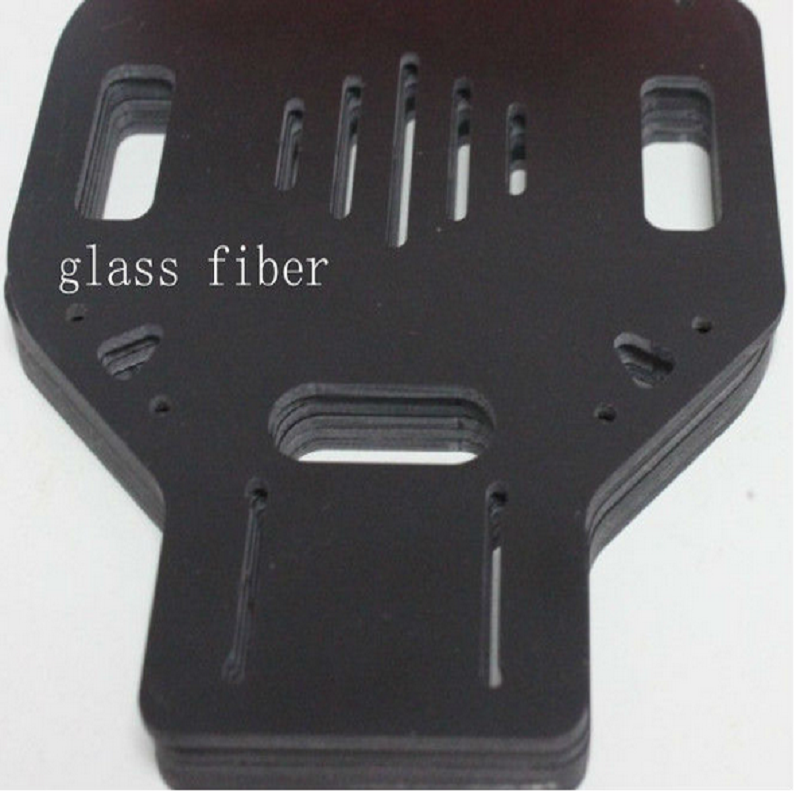
In high-precision power equipment and electronic module assembly scenarios, strict insulation and structural stability requirements are indispensable, and G10 Fiberglass Plates have achieved comprehensive performance breakthroughs through upgraded insulation technology. The new curing and surface treatment process enhances the material’s arc resistance and tracking resistance, which are key indicators for electrical safety. Different from ordinary insulating plates, these upgraded substrates maintain excellent insulation performance even in humid, high-temperature and dusty industrial environments. The improved physical and insulating properties make them ideal supporting and isolating materials for transformer equipment, circuit board fixtures and power control cabinets.
As lightweight and miniaturization trends sweep the global electronic manufacturing industry, high-performance insulating substrates are constantly expanding their application boundaries.Glass Fiber Sheets adopting the latest high insulation modification technology balance excellent electrical insulation, mechanical toughness and processability. The optimized material formula not only retains high tensile strength and impact resistance, but also avoids insulation attenuation caused by long-term equipment operation. Manufacturers have further improved the material’s environmental adaptability, enabling it to resist aging and maintain stable insulating performance in extreme working environments, which greatly reduces equipment failure rates caused by insulation failure.
The continuous innovation of high insulation technology has broken the application limitations of traditional insulating materials and promoted the industrial upgrading of glass fiber insulating substrates. Compared with conventional plastic and rubber insulating materials, modified glass fiber insulation products feature higher safety, longer service life and stronger environmental adaptability. At present, these high-insulation substrates have been widely applied in new energy vehicle electrical systems, communication base station equipment, industrial automation control systems and aerospace electronic components. With the further maturity of insulation manufacturing technology, high-performance glass fiber insulating materials will occupy a more important position in the global high-end electrical manufacturing industry.