

In the era of smart manufacturing, industrial automation relies heavily on high-precision, reliable motion control systems to achieve consistent productivity and product quality. Brushless motor technology, long recognized for its superior efficiency and durability compared to brushed motors, has undergone significant advancements in recent years—these innovations are reshaping industrial automation, elevating precision to new heights and enabling more complex, accurate operations across sectors such as automotive manufacturing, electronics assembly, and robotics. As industrial automation demands tighter tolerances and more responsive control, the latest breakthroughs in brushless motor technology are becoming the backbone of high-precision automated systems.
The core of these advancements lies in improved motor control algorithms and sensor integration, which work together to minimize latency and enhance position accuracy. Unlike traditional brushed motors, modern brushless motors leverage advanced encoders and feedback systems that provide real-time data on speed, position, and torque, allowing for instantaneous adjustments. This level of control is critical in industrial automation applications such as precision machining and component assembly, where even minute deviations can lead to product defects. A key component driving this precision is thebrushless gimbal motor, which is engineered for ultra-smooth, precise motion—ideal for automated systems that require stable, accurate positioning, such as robotic arms and precision conveyor systems.
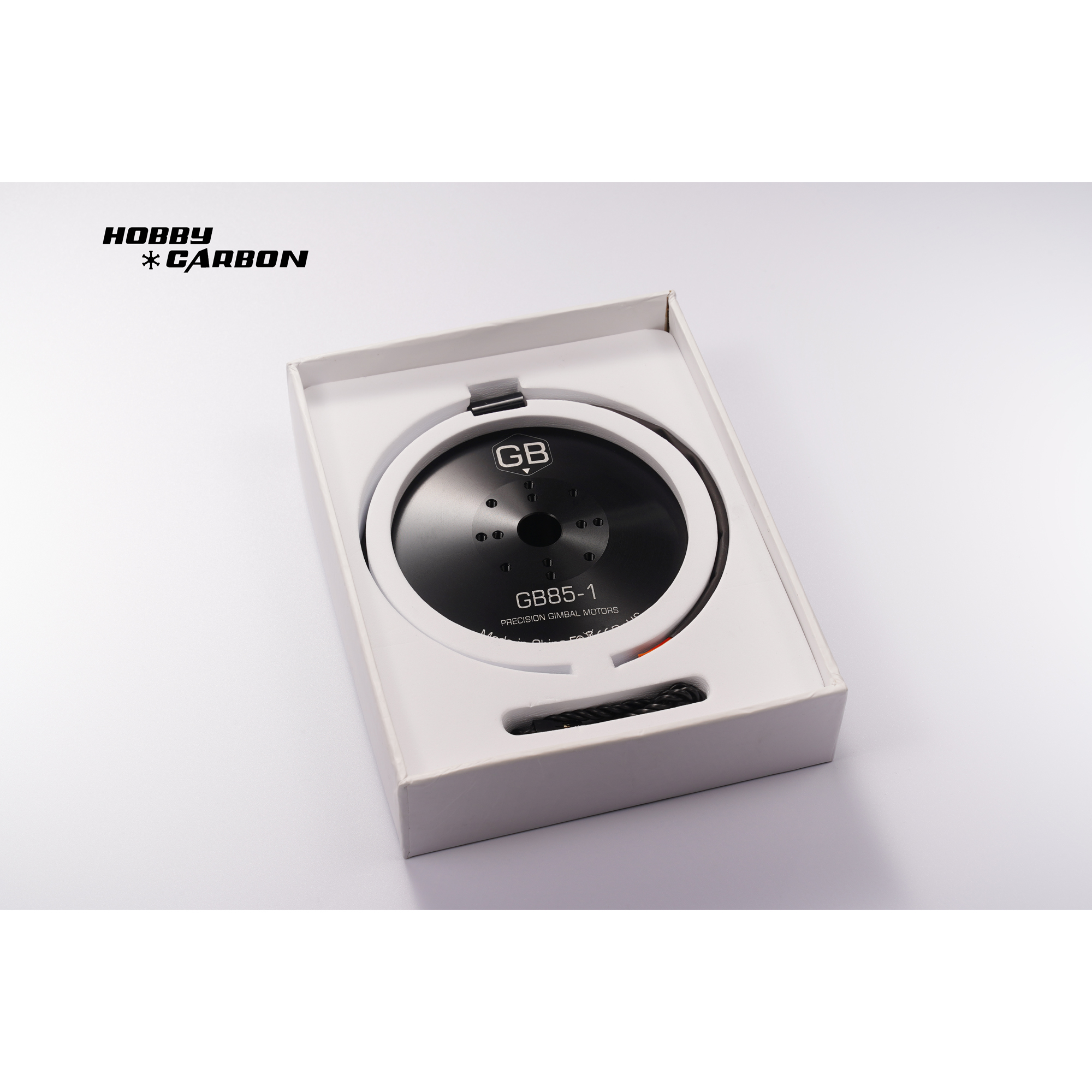
Another major advancement in brushless motor technology is the miniaturization of components without sacrificing performance, making these motors suitable for compact industrial automation equipment. As automated systems become more integrated and space-efficient, brushless motors have been redesigned to be smaller, lighter, and more power-dense, while maintaining the high precision required for delicate tasks. This miniaturization, combined with improved power efficiency, has expanded their use in applications like microelectronics assembly, where precision and space savings are equally critical. To support this level of precision and integration, high-quality gimbal parts are integrated into the motor design, ensuring smooth motion transmission and reducing mechanical wear, which in turn enhances the overall precision and lifespan of the automated system.
Industrial automation systems often require seamless integration with other components, and the latest brushless motor advancements have focused on improving compatibility and connectivity. Modern brushless motors are designed to work with advanced automation controllers and IoT systems, enabling remote monitoring, predictive maintenance, and real-time performance optimization. This connectivity ensures that automated systems operate at peak precision, with adjustments made dynamically based on operational data. A standout example of this integration is the T-motor motor, a high-performance brushless motor tailored for industrial automation, which combines advanced control technology with robust construction to deliver consistent, precise motion—even in harsh industrial environments. These motors are widely used in automated production lines, where their precision and reliability help reduce downtime and improve product quality.
Industry experts predict that as brushless motor technology continues to evolve, it will further revolutionize industrial automation. Future advancements may include AI-powered motor control, which will enable even more adaptive, precise motion based on real-time operational conditions, and improved energy efficiency to support sustainable manufacturing practices. For now, the current advancements in brushless motor technology are already making a tangible impact, empowering industrial automation systems to achieve higher precision, greater reliability, and increased productivity. As industries continue to embrace smart manufacturing, brushless motors will remain a critical technology, driving innovation and setting new standards for precision in industrial automation.