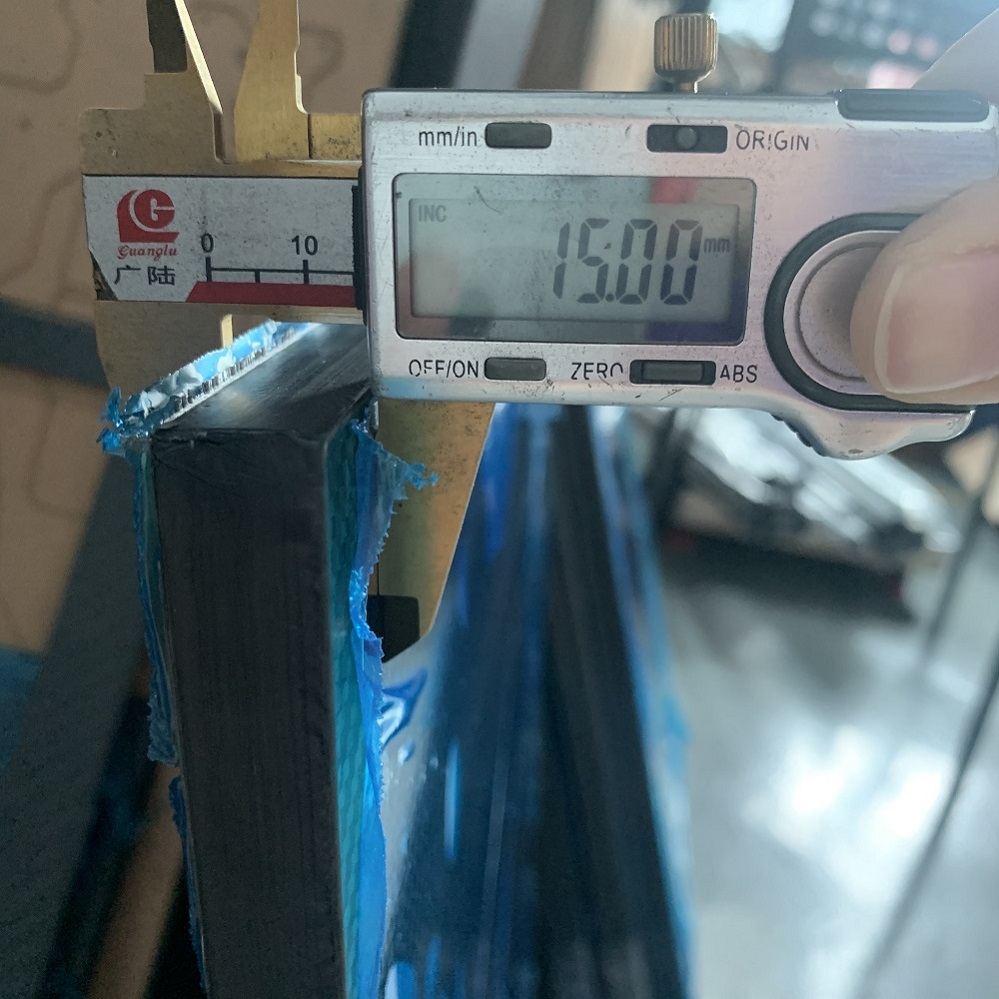
In high-end manufacturing, aerospace, and smart equipment, the requirements for performance and criteria for composite materials keep getting higher. Standard carbon fiber plates aren't strong enough to hold a lot of weight in major buildings and other areas anymore. This means that the only option to make heavy-duty structures lighter and give them strong support is to meticulously cut and shape big, thick carbon fiber plates. This gives companies a different form of material that lasts longer and is more helpful.

I. Thick, Large-Format Carbon Plates: Huge Sizes and Great Strength—Pushing the Limits of Material Use
Carbon fiber plates are usually small and thin, thus they can't be used with big equipment platforms, heavy machinery structures, or drone airframes. We make huge carbon fiber plates that can be modified. Our sheets might be 8m by 3m or bigger. We can manufacture things as thin as a few layers that add strength or as thick as plates that can hold a lot of weight. We can make things that are between 0.5mm and 60mm thick. This is definitely bigger and thicker than normal parts can handle.
To make these thick carbon plates, high-modulus 3K/12K carbon fiber tow is squeezed with epoxy glue that can handle high temperatures. They are 80% lighter than steel and only 1.6 g/cm³ dense. They are six to ten times stronger than normal steel, with a tensile strength of 2400 to 3500 MPa. When both plates are under the same load, a carbon plate that is 50 mm thick weighs just one-fifth as much as a steel plate. It also doesn't rust, doesn't wear out easily, and doesn't alter shape too much when it gets hot. These plates are great for use in harsh environments like the nautical, chemical, and aerospace industries because they don't change size between -40°C and 150°C.
II. The Heart of Customization: Meeting All the Needs of Industrial Applications, from Size to Performance
The best thing about thick, large-format carbon fiber plates is that you can get new ones that are exactly the same. We may vary the size, thickness, fiber layup direction, and surface treatments of our panels to meet the needs of each customer. For example, we can make them plain or twill weave, or they can be bright or dull. We can even construct composite structures, such carbon fiber with honeycomb cores or fiberglass, to find the ideal balance between making the structure lighter and keeping it sturdy.
**How to Make Your Own Carbon Fiber Panels
Our thick carbon fiber panels can be utilized for a multitude of things, such making beds for medical equipment, platforms for automated machines, and parts for ships. You may also utilize them to construct big drone airframes and make wind turbine blades stronger. They are "big, strong, and light." These are superior than conventional steel and aluminum alloys because they make tools lighter and more efficient, last longer, and are easier to fix. Our super-thick carbon fiber panels are exceptionally rigid and won't flex, so you can use them right away as key load-bearing structural elements. This makes the structure stronger and means that there is less need for welding and splicing.
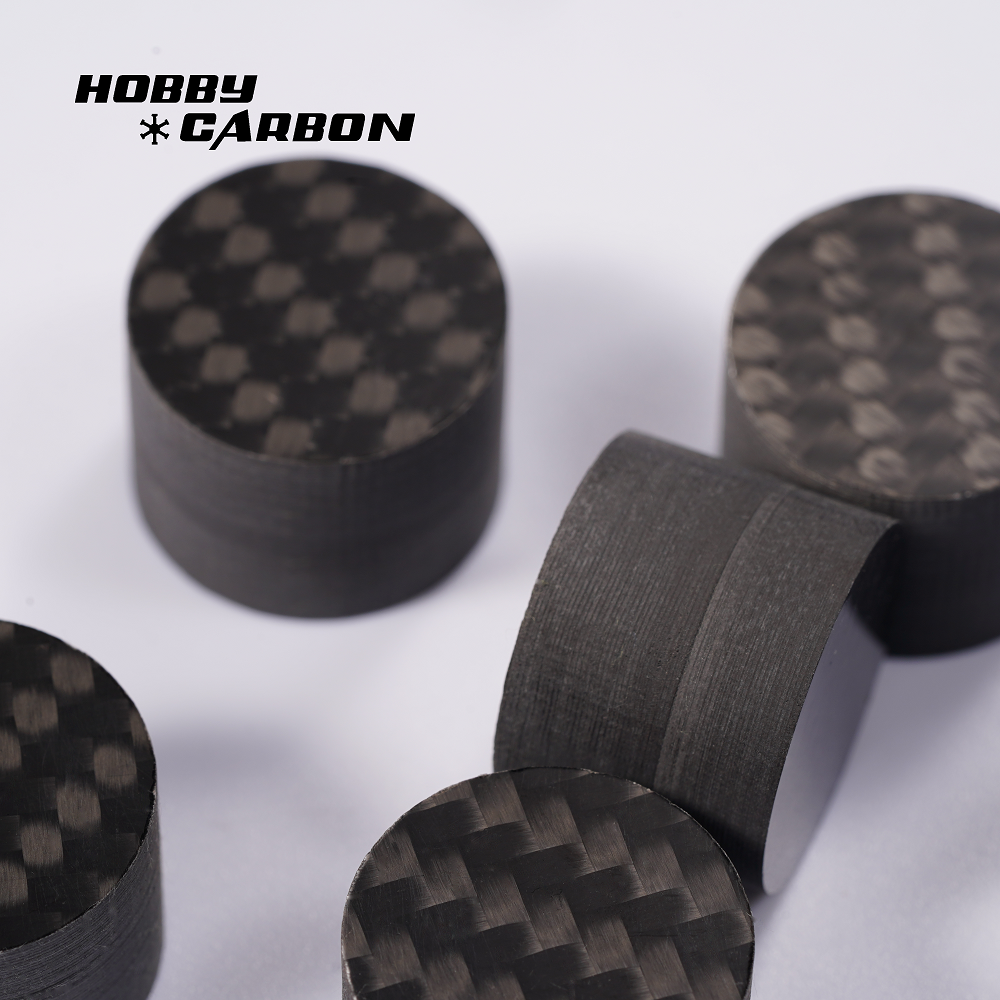
When to Use Carbon Fiber Panels III. Precision Cutting and Machining: Non-Destructive Methods for Accurately Integrating Thick Carbon Panels into Complicated Designs
Large sheets of thick-gauge carbon fiber are quite stiff and can readily shatter on their own. Using normal cutting methods could cause difficulties like delamination, edge chipping, resin carbonization, and breaking fibers. These issues greatly hurt the material's look and structure. We use three main cutting processes to get around this problem: CNC machining, femtosecond laser "cold cutting," and high-pressure waterjet cutting. These tools enable us cut materials very accurately and without hurting them, depending on how thick and exact each job needs to be.
1. Femtosecond Laser Cold Cutting: Very precise and doesn't harm anything with heat.
We utilize femtosecond laser cutting to cut carbon fiber panels that are medium to thick (1–20 mm) and things that are hard to cut and have strange shapes. The pulse lengths in this technology are very short, which keeps the heat-affected zone at the nanoscale and stops "zero thermal deformation, zero resin carbonization, and zero edge chipping." It cuts with an accuracy of ±1 μm, leaving edges that are smooth and free of burrs and preserving more than 98% of the material's original strength. This method helps you finish all at once forms that are hard to do, tiny holes, and cuttings that are hard to do. This makes it great for places that need a lot of accuracy, like aerospace and high-end medical equipment. 1. Femtosecond laser cutting of carbon fiber plates 2. CNC precision cutting: this method is very dependable and works well on thick plates.
This approach makes very thick carbon plates (20–60 mm) and big structural parts using high-power CNC engraving machines and specific diamond tools. When used with smart path programming, it lets you cut, groove, and chamfer thick plates very precisely and then use them in other processes. We preserve the limits for size between ±0.15 mm. This lessens the mechanical stress that causes materials to separate while yet keeping quality and speed in mind. This method works best for groups of large baseplates, heavy-duty structural pieces, tooling fixtures, and other similar objects.
Using a CNC machine to cut carbon fiber plates
3. High-pressure waterjet cutting: cutting thick plates without damaging the area where the heat is.
To cut particularly thick or multi-layer composite carbon plates into smaller pieces, we employ a high-pressure waterjet and an abrasive media. This "cold cutting" procedure is purely physical, thus it doesn't cause any thermal damage, removes static charge, and retains the material's natural properties. It works well with honeycomb sandwich constructions and carbon plates that are more than 60 mm thick. It makes blanks that are quite accurate and suitable for finishing later.
Using a waterjet under high pressure to cut carbon fiber plates
IV. Why should you utilize thick carbon plates that have been carefully machined? **Specifications Without Limits:** We can make your parts exactly how you want them, with sheets that are 8 m × 3 m and 0.5 mm to 60 mm thick. It's great that you don't have to worry about normal parts. **Best Performance:** We design our products to handle a lot of tough scenarios. They are strong, light, and don't rust or wear out. They also don't get bigger as they get hot. **Non-Destructive Processing:** Our three major cutting technologies can handle everything, so we can shape even the thickest plates with great accuracy and without damaging their structure.**Cost Optimization:** We make the structure stronger and the product last longer by reducing down on the requirement for splicing, welding, and post-processing of materials. This lowers the total cost of owning it.**The End**
Big, thick carbon fiber plates are slowly becoming the best material for building things that are both robust and light, including high-end smart devices and heavy industrial machinery. This is because they are the greatest thing to use. We don't simply sell carbon fiber goods that work well. We also offer full, one-stop solutions that include everything from design to production to processing. This gives our clients the tools they need to use materials in new ways and make their goods more competitive. Please get in touch with us if you need big sheets of carbon fiber, plates that are unusually thick and can hold a lot of weight, or pieces that are cut to highly specific shapes. We'll help you locate the finest solution for your needs. Using high-performance carbon fiber materials could make your things stronger.