

In fields like aerospace, industrial piping, and new energy vehicles, carbon fiber wound tubing is slowly changing how things are made. You shape carbon fiber into a certain shape to make this material. It is made of carbon fiber, which makes it very strong, light, and resistant to rust. The factories that make carbon fiber and winding tubes are the main forces behind this materials revolution. This article will clear up any confusion about this "material of the future" by looking at it from three different points of view: how it works, where it can be used, and what the industry is doing with it.
Carbon fiber is as strong as steel but much lighter.
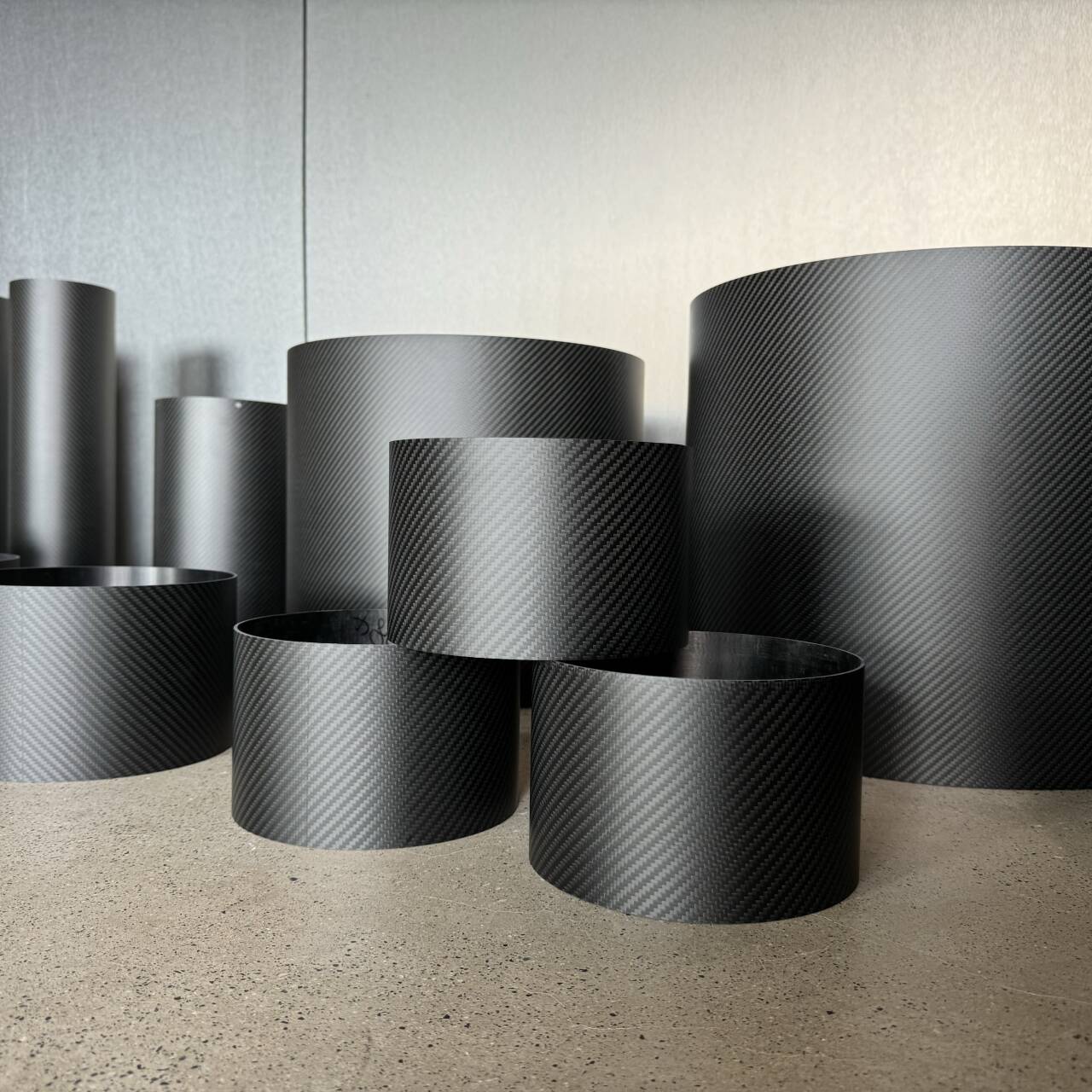 The small structure of carbon fiber gives it its "superpowers." These fibers are made of carbon atoms and are only 5 to 10 microns wide. But in terms of strength-to-density ratios, they are more than five times stronger than steel. Carbon fiber is usually found in long strands in factories that make winding tubes. To make a tubular structure, these filaments are soaked in resin and then wound around each other at a certain angle. Not only does this process fix common welding problems in metal piping, but it also makes the tubing stronger in the axial direction, stiffer in the hoop direction, and less likely to twist by carefully changing the winding angles (for example, 0°, ±45°, and 90°).
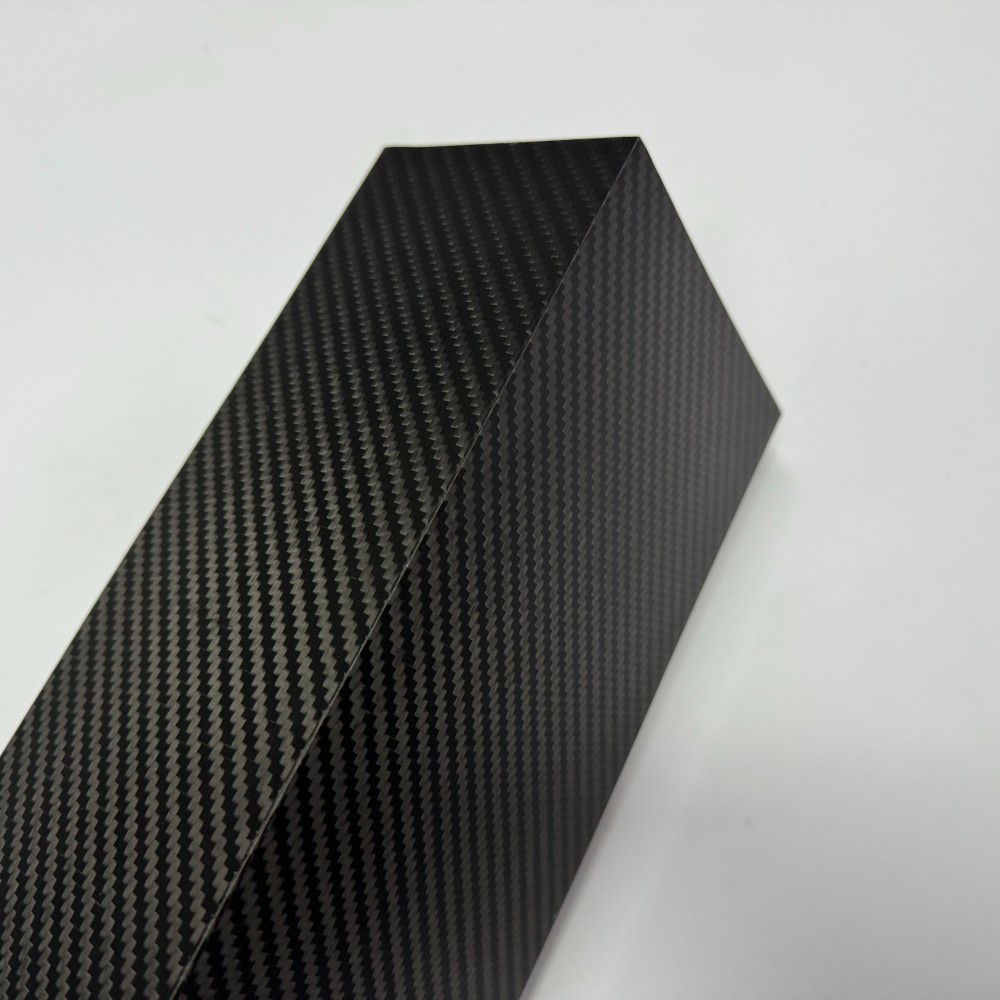
The "Metamorphosis" from Fiber to Tube: The Basic Technology for Making Winding Tubes
You can't just "roll up" the material to make carbon fiber wound tubing. There are four main steps in a filament winding plant: preparing the fibers, making the resin, winding and molding, and curing and demolding.
1. Fiber Pretreatment: Plasma etching and other treatments are done on carbon fibers to help the resin stick better to the fibers and keep the layers from coming apart.
2. Resin Formulation: The type of resin used to make the pipe depends on what it will be used for. Two examples are phenolic and epoxy resins. Also, the **amount of curing agents is carefully controlled** to make sure that the pipe works well even in hot or corrosive places.
3. Winding and Molding: A CNC filament winding machine wraps carbon fibers that have been soaked in resin around a mandrel at certain angles and tensions to make a structure with many layers.
4. Curing and Demolding: Putting the wound pipe in a hot oven fully cross-links the resin. After that, the pipe is taken out of the mold to make a product that works well and is accurate to within ±0.1 mm.
Application Scenarios: A Flexible Performer—From "Going Underground" to "Taking to the Skies"
Many businesses believe that carbon fiber filament-wound pipes are the "ideal material" because they are "strong and light."
• Aerospace: When used for parts like rocket fuel lines and satellite support structures, carbon fiber filament-wound pipes can cut weight by 40% to 60%. This can make it able to carry a lot more weight.
• New Energy Vehicles: Hydrogen fuel cell vehicles can handle pressures up to 70 MPa without the risk of hydrogen embrittlement that comes with regular metal tanks. They use carbon fiber filament pipes to make their hydrogen storage tanks, which is why.
• Industrial Piping: Carbon fiber filament-wound pipes are a better choice than regular stainless steel pipes for chemical processing and marine engineering. They can last for more than 20 years and don't rust easily in chemicals or salt water.
Making things in a way that is good for the environment and smart upgrades are two trends in the industry.
The "Metamorphosis" from Fiber to Tube: The Basic Technology for Making Winding Tubes
You can't just "roll up" the material to make carbon fiber wound tubing. There are four main steps in a filament winding plant: preparing the fibers, making the resin, winding and molding, and curing and demolding.
1. Fiber Pretreatment: Plasma etching and other treatments are done on carbon fibers to help the resin stick better to the fibers and keep the layers from coming apart.
2. Resin Formulation: The type of resin used to make the pipe depends on what it will be used for. Two examples are phenolic and epoxy resins. Also, the **amount of curing agents is carefully controlled** to make sure that the pipe works well even in hot or corrosive places.
3. Winding and Molding: A CNC filament winding machine wraps carbon fibers that have been soaked in resin around a mandrel at certain angles and tensions to make a structure with many layers.
4. Curing and Demolding: Putting the wound pipe in a hot oven fully cross-links the resin. After that, the pipe is taken out of the mold to make a product that works well and is accurate to within ±0.1 mm.
Application Scenarios: A Flexible Performer—From "Going Underground" to "Taking to the Skies"
Many businesses believe that carbon fiber filament-wound pipes are the "ideal material" because they are "strong and light."
• Aerospace: When used for parts like rocket fuel lines and satellite support structures, carbon fiber filament-wound pipes can cut weight by 40% to 60%. This can make it able to carry a lot more weight.
• New Energy Vehicles: Hydrogen fuel cell vehicles can handle pressures up to 70 MPa without the risk of hydrogen embrittlement that comes with regular metal tanks. They use carbon fiber filament pipes to make their hydrogen storage tanks, which is why.
• Industrial Piping: Carbon fiber filament-wound pipes are a better choice than regular stainless steel pipes for chemical processing and marine engineering. They can last for more than 20 years and don't rust easily in chemicals or salt water.
Making things in a way that is good for the environment and smart upgrades are two trends in the industry.