

In today’s manufacturing sector, sustainability isn’t just a buzzword—it’s a driving force. Nowhere is this more evident than in the precision crafting of carbon fiber components, where computer numerical control (CNC) technology is redefining eco-friendly production. From angle plates to complex structural frames, CNC’s ability to shape carbon fiber with minimal waste and maximum efficiency is setting new standards across industries.
Trimming Waste Through Precision
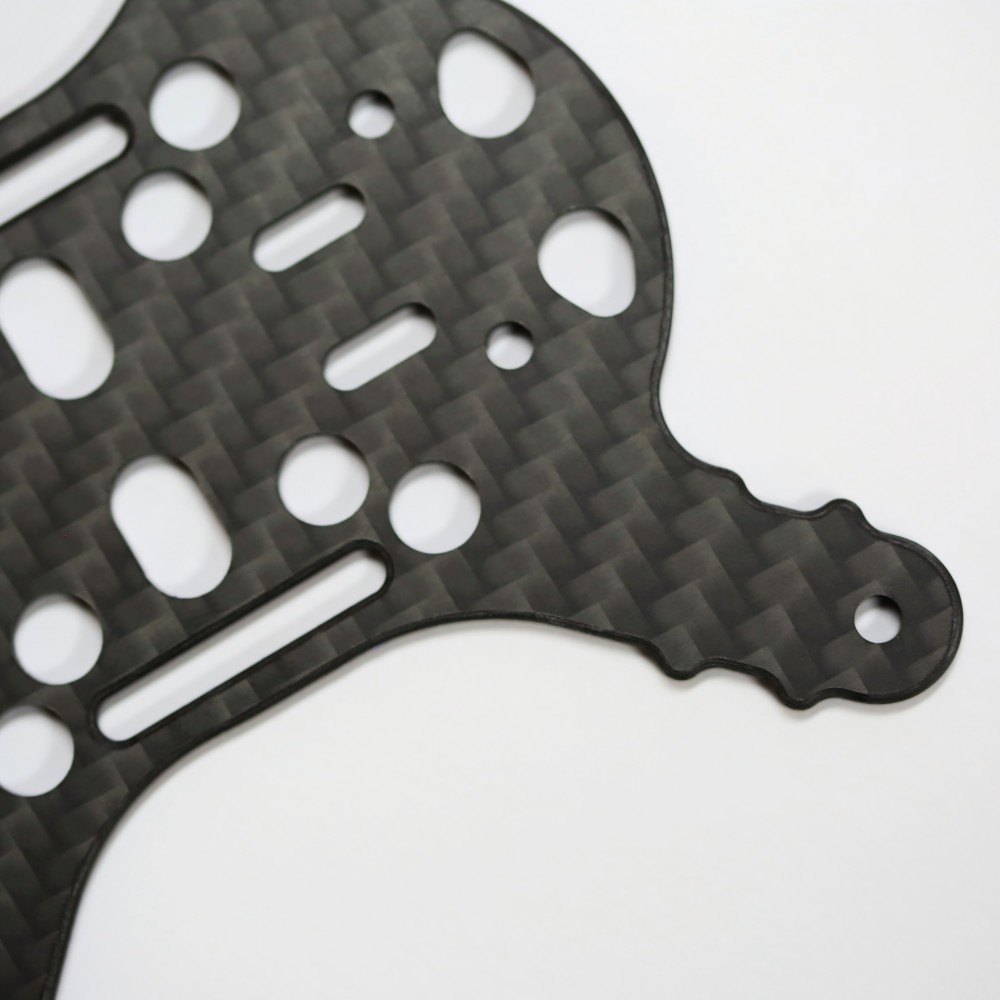
Carbon fiber’s strength and lightness make it a game-changer for everything from aircraft parts to renewable energy equipment, but its production comes with a high environmental cost. That’s where CNC’s precision shines. A leading aerospace firm recently reported a 30% drop in material waste after switching to CNC systems for cutting carbon fiber angle plates. The technology’s exacting cuts eliminate excess material, whether shaping small drone components or larger structural frames. For drone manufacturers, this means fewer scraps from crafting durable frames, while automakers benefit from tighter tolerances when producing lightweight chassis parts—all reducing the need for virgin carbon fiber production.
Energy Savings in Every Cut
Modern CNC systems are designed to work smarter, not harder. Unlike traditional cutting methods that guzzle energy, these machines operate with optimized power usage, especially when handling carbon fiber’s tough fibers. A major electric vehicle maker noted a 15% reduction in factory energy use after adopting CNC-cut carbon fiber parts for their chassis. The savings add up: less energy spent on production, plus the lighter components boost vehicle efficiency, cutting emissions on the road. Even in drone production, streamlined CNC processes mean faster, more energy-efficient manufacturing without sacrificing frame strength.
Durability That Reduces Lifecycle Impact
A product’s true sustainability lies in how long it lasts. CNC-cut carbon fiber components excel here, thanks to their consistent quality and structural integrity. A European wind farm, for example, saw turbine blades reinforced with CNC-cut angle plates last 10 years longer with 20% fewer repairs. Drones with CNC-crafted frames hold up better to crashes and harsh weather, reducing the need for frequent replacements. This longevity cuts down on the waste and energy tied to manufacturing new parts, creating a ripple effect of environmental benefits.
Closing the Loop Through Recycling
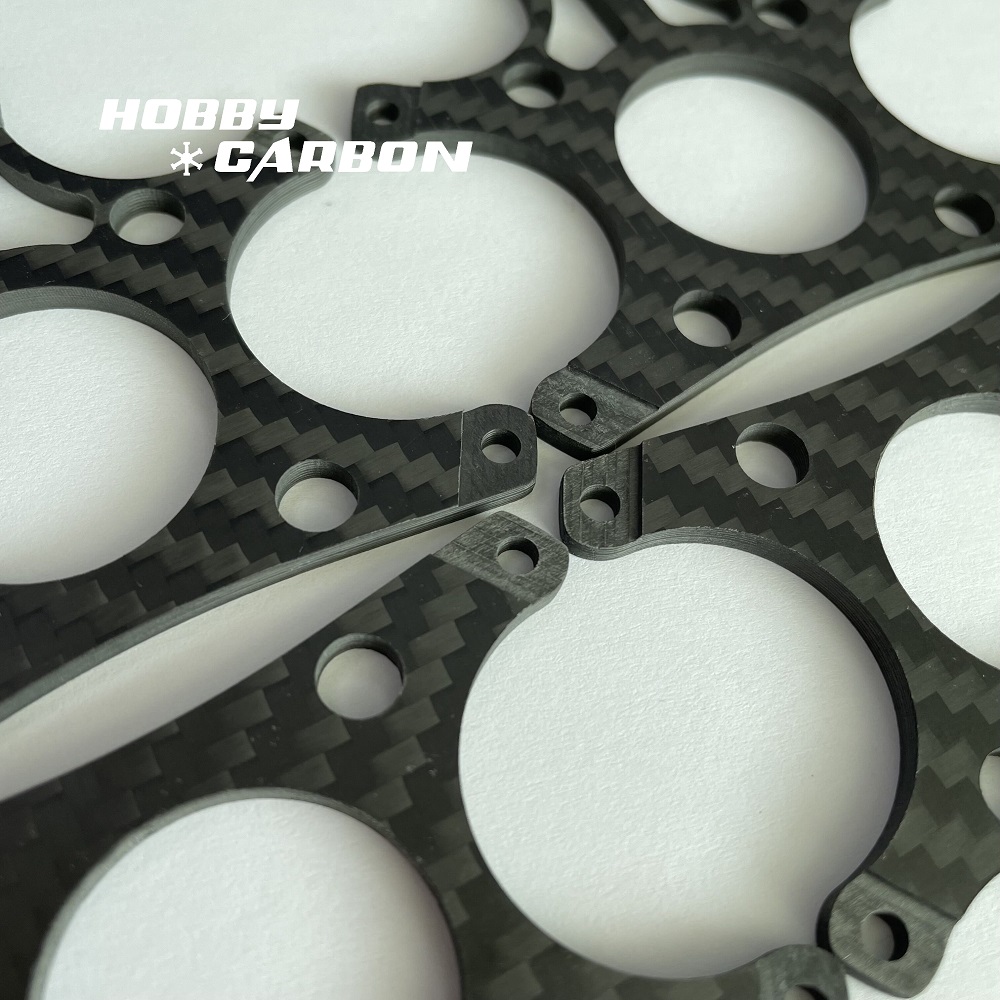
CNC’s precision doesn’t just aid production—it also makes recycling easier. Clean, accurate cuts preserve carbon fiber’s integrity, so even retired components can be repurposed. A U.S. startup is already recycling carbon fiber from old aerospace parts and drone frames, turning them into high-performance sports gear. This closed-loop approach reduces reliance on new carbon fiber, which requires intensive energy and resources to produce, and keeps valuable materials out of landfills.
CNC’s role in carbon fiber manufacturing is about more than precision—it’s about progress. By cutting waste, saving energy, building longer-lasting products, and enabling recycling, this technology is proving that high performance and sustainability can go hand in hand. As industries keep pushing for greener practices, CNC-cut carbon fiber components will undoubtedly remain at the forefront of the movement.