

In the ever-evolving realm of advanced materials, the Carbon Fiber Sheet Product has emerged as a transformative force, captivating industries worldwide with its unparalleled performance. Dubbed the "black gold" of modern manufacturing, these sheets are spearheading a paradigm shift in product design and engineering.
Carbon Fiber Sheets, often interchangeably referred to as Carbon Fiber Plates or Carbon Fiber Boards, are meticulously crafted high-performance composites. The manufacturing process involves reinforcing carbon fiber bundles with resin matrices, typically epoxy, through specialized techniques such as autoclave curing or resin transfer molding. This results in a material that defies conventional expectations. With a density of merely 1.4 - 1.6 g/cm³, less than one-fifth of steel's 7.85 g/cm³, Carbon Fiber Sheets can achieve a staggering tensile strength of 2000 - 3000 MPa, 7 to 10 times that of ordinary steel. This exceptional strength-to-weight ratio positions them as the material of choice for applications where weight reduction is paramount without compromising on structural integrity.
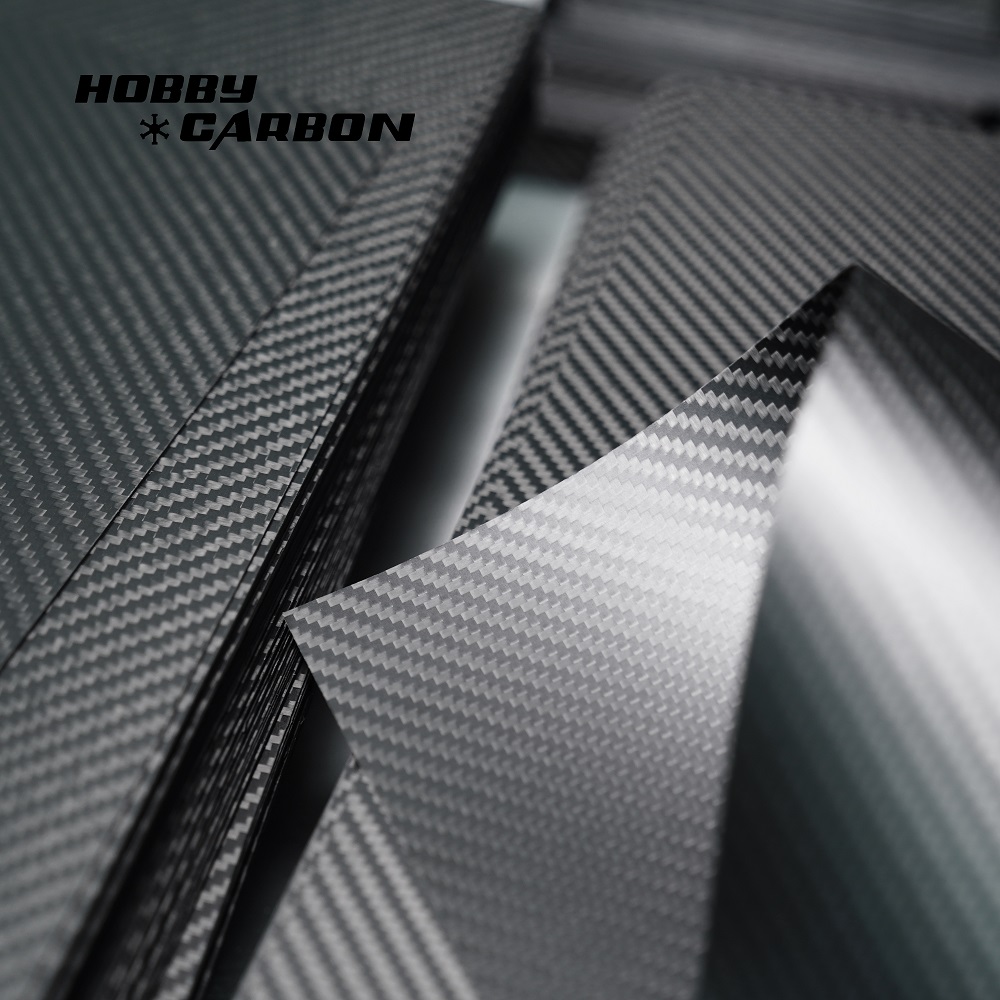
The allure of Carbon Fiber Sheet Product extends far beyond its lightweight and high-strength attributes. These sheets exhibit remarkable fatigue resistance, capable of withstanding millions of stress cycles without failure. This makes them ideal for components subjected to repetitive loading, such as aircraft wings and automotive suspension parts. Their corrosion immunity is another standout feature. Unlike metals that require extensive anti-corrosion treatments in harsh environments, Carbon Fiber Boards remain unaffected by salt, moisture, and chemicals. This property has led to their increasing adoption in marine applications, such as yacht hulls and offshore wind turbine structures.
The versatility of Carbon Fiber Plates is further enhanced by their design flexibility. Through precise control of fiber orientation during the manufacturing process, engineers can tailor the mechanical properties of the sheets to specific requirements. For instance, unidirectional Carbon Fiber Sheets offer maximum strength along a single axis, making them suitable for load-bearing applications like bridge reinforcements. On the other hand, bidirectional or multi-axial layups provide balanced strength in multiple directions, ideal for complex-shaped components in aerospace and motorsports.
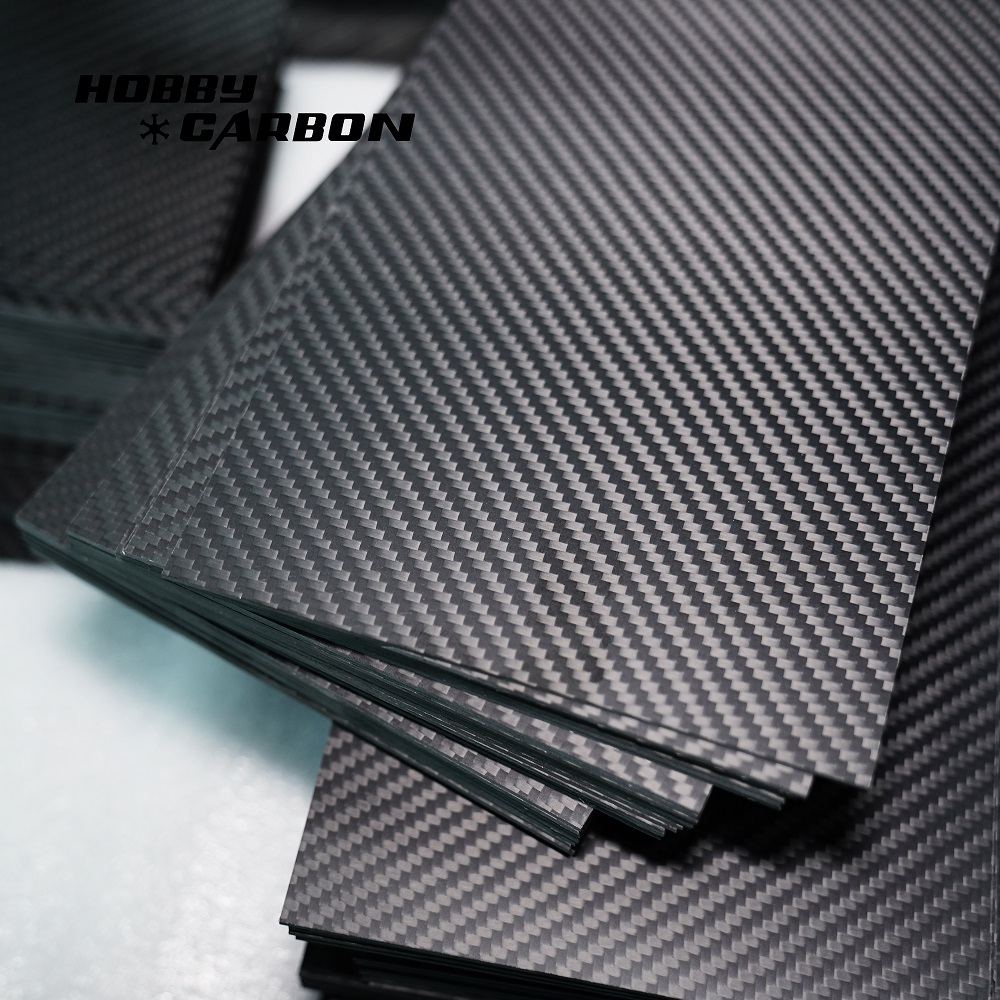
The impact of Carbon Fiber Sheets can be seen across a multitude of sectors. In aerospace, companies like Boeing and Airbus have embraced these sheets in the construction of their latest aircraft models. The Boeing 787 Dreamliner, for example, features a fuselage primarily composed of Carbon Fiber Product, resulting in a 20% reduction in fuel consumption compared to traditional aircraft. In the automotive industry, luxury car manufacturers such as Lamborghini and McLaren utilize Carbon Fiber Boards to create lightweight yet incredibly strong monocoque chassis, enhancing vehicle performance and handling. In the sports world, tennis giant Rafael Nadal's racquet and Tour de France-winning bicycles all incorporate Carbon Fiber Sheets, providing athletes with a competitive edge.
Despite their numerous advantages, the widespread adoption of Carbon Fiber Sheet Product has been hindered by high production costs. However, ongoing research and development efforts are focused on cost reduction strategies. New manufacturing techniques, such as automated fiber placement and rapid curing processes, are being developed to increase production efficiency and lower costs. Additionally, the exploration of alternative raw materials for carbon fiber production, like lignin from wood pulp, shows promise in making these sheets more economically viable.
As the demand for lightweight, high-performance materials continues to grow, the future of Carbon Fiber Plates and Boards looks bright. With continuous advancements in technology and an increasing emphasis on sustainability, these sheets are poised to play an even more significant role in shaping the future of industries, from transportation and energy to sports and consumer goods.